



Table of Contents

Providing quality home care for seniors goes beyond basic medical assistance. Many seniors come from diverse backgrounds, which makes multilingual caregiver support essential in today’s home healthcare environment. Caregivers who speak multiple languages can communicate effectively with seniors, understand their unique needs, and provide culturally sensitive care. This not only improves patient trust but also enhances overall health outcomes.
Building Trust Through Multilingual Care
One of the most significant benefits of having multilingual caregiver support is the trust it fosters between seniors and caregivers. Many seniors feel anxious when they cannot speak their native language with those providing care. A bilingual caregiver can ease this worry by listening attentively, answering questions clearly, and explaining care plans in the senior’s preferred language.
When patients feel understood, they are more likely to share health concerns and follow medical instructions. This leads to better symptom detection, accurate medication management, and faster recovery. Families also benefit, as caregivers provide updates and guidance in a language they understand, strengthening confidence in the home care process.
How Bilingual Caregivers Overcome Language Barriers
Language barriers can complicate home care for both seniors and caregivers. Home care VA solutions provide bilingual support that helps break these barriers. Caregivers use multiple strategies to communicate effectively:
- Speaking the patient’s preferred language.
- Using simple, clear instructions to explain care.
- Employing translation apps and tools for multilingual home care.
- Collaborating with family members to ensure instructions are understood.
- Listening carefully to patient concerns.
These approaches not only make care safer and more accurate but also create a comforting environment where seniors feel valued and respected.
The Role of Cultural Competence in Home Care
Cultural competence goes hand in hand with multilingual support. Caregivers who understand each senior’s cultural background can provide personalized care that respects traditions, dietary preferences, and religious practices. For example, meal plans, holiday observances, and daily routines can be tailored to match the senior’s culture, making them feel at home.
Families play a critical role in cultural care. By sharing stories and preferences, family members help caregivers provide meaningful, culturally aligned support. Technology, including video calls and translation apps, ensures that families remain connected to the care process, even from a distance.
Addressing Health Disparities
Seniors from different cultural and linguistic backgrounds often face health disparities. Culturally sensitive care helps close these gaps. Caregivers trained in cultural competence can identify unique health needs, dietary requirements, and health habits, ensuring each senior receives appropriate and personalized care.
Home care agencies benefit when they hire diverse caregivers. Seniors feel more comfortable when caregivers look like them and speak their language. Agencies can also leverage care company virtual assistant support to streamline communication, training, and care coordination.
| Strategy for Addressing Health Disparities | Benefit for Seniors |
| Hire diverse caregivers | Greater comfort and trust |
| Use translation technology | Clear communication |
| Train staff in culturally appropriate care | Safer, personalized care |
| Involve families in care | Stronger support network |
Agency Benefits of Multilingual Caregiver Support
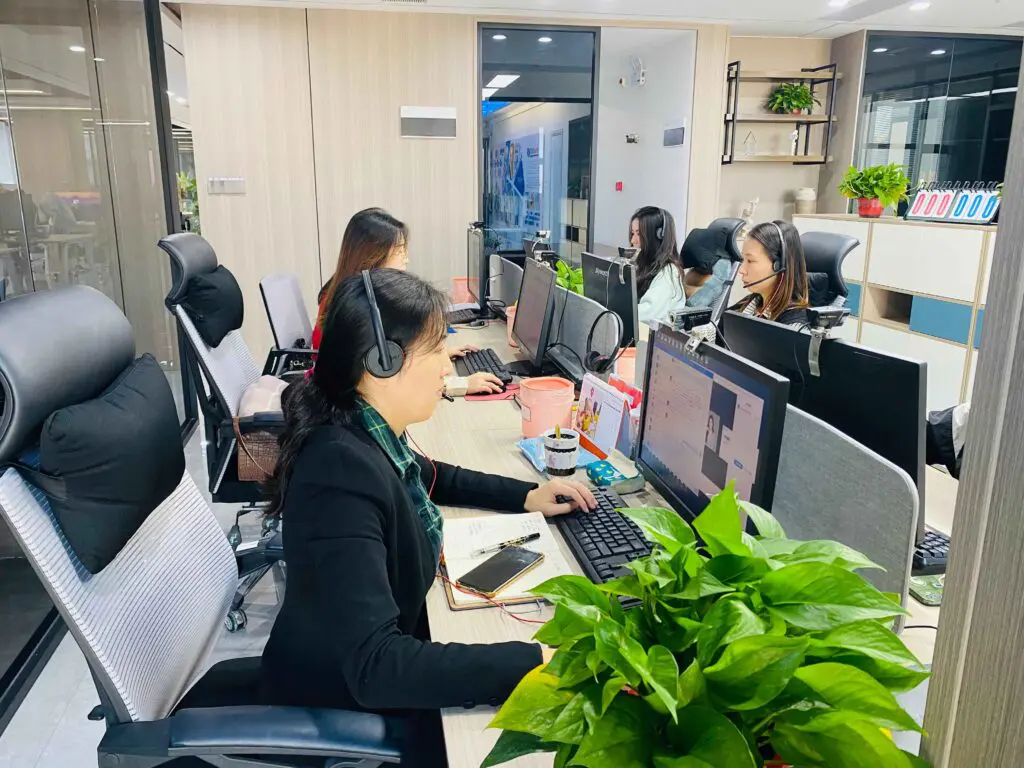
Home care agencies that prioritize multilingual support see measurable benefits. Patients experience improved health outcomes, and families feel reassured that their loved ones are in capable hands. Agencies with diverse and bilingual staff can:
- Reduce miscommunication and errors.
- Improve patient and family satisfaction.
- Strengthen their reputation in the community.
- Gain a competitive advantage over other agencies.
| Agency Strategy | Benefit for Agencies |
| Hire multilingual caregivers | Higher patient satisfaction |
| Train staff in languages | Improved health outcomes |
| Use translation technology | Fewer errors and misunderstandings |
| Support family caregivers | Stronger relationships |
Practical steps agencies can implement include hiring staff from varied backgrounds, offering language lessons, leveraging translation tools, and encouraging family participation in care planning. Even small investments in language and cultural training can make a significant difference in patient outcomes and agency reputation.
Conclusion
Multilingual caregiver support is no longer optional in modern home care – it’s essential.
Seniors feel safer, families feel reassured, and agencies see tangible improvements in care quality and patient satisfaction. By leveraging home care VA solutions and partnering with a care company virtual assistant like Callnovo, agencies can provide exceptional, culturally sensitive care that meets the needs of today’s diverse senior population.
If your home care agency wants to enhance patient trust, improve health outcomes, and streamline operations, explore how Callnovo can help you hire multilingual caregivers and implement effective virtual assistant support.
Company Name: Callnovo Inc.
Contact Person: Anita Lee
Email: anita.lee@callnovo.com.cn
Website:www.callnovo.com
Country: Canada
City: Toronto
Explore the benefits of a Home Care Virtual Assistant:
https://callnovo.com/callnovo-multilingual-remote-virtual-assistant/
Ready to get a customized quote?
Click here: https://callnovo.com/request-a-quote/