



Table of Contents
In California’s fast-paced real estate market, every lead counts. Brokers often face challenges connecting with clients from diverse linguistic and cultural backgrounds. Many buyers and sellers do not speak English as their first language, which can result in missed opportunities. This is where multilingual real estate outsourcing and real estate virtual assistants play a crucial role. By leveraging multilingual virtual assistants, brokers can engage more clients, respond faster, and close more deals.
Key Takeaways
- Hiring multilingual real estate virtual assistants helps brokers communicate with clients in their preferred language, increasing lead capture and client satisfaction.
- Fast responses in real estate are essential; assistants in the same time zone enable immediate follow-ups.
- Clearly defining required languages and skills ensures clients receive the support they need.
Overcoming Lead Generation Challenges in California
Language Barriers in Real Estate
California is one of the most culturally diverse states in the U.S., with buyers and sellers from around the world. Brokers who speak only English may struggle to connect with non-English-speaking clients. Misunderstandings, slow responses, or unanswered questions can lead to missed leads.
A real estate call center or multilingual virtual assistant can bridge these gaps. Clients feel heard and understood, creating trust and increasing the likelihood of closing a deal.
Tip: Brokers who provide multilingual support can expand their client base and create stronger connections.
The Cost of Missed Leads
In real estate, a single lost lead can mean a significant missed opportunity. Buyers and sellers want immediate attention. If brokers cannot respond in a client’s language, leads may quickly move to a competitor. Many leads in California come from Spanish-speaking and Latin American communities, highlighting the value of multilingual support.
The Importance of Fast Response Times
The California real estate market moves quickly. Brokers who respond immediately to inquiries are more likely to convert leads. A multilingual assistant working in California’s time zone can provide rapid responses, keeping leads warm and clients satisfied.
How Multilingual Real Estate Virtual Assistants Help
Bridging Language Gaps
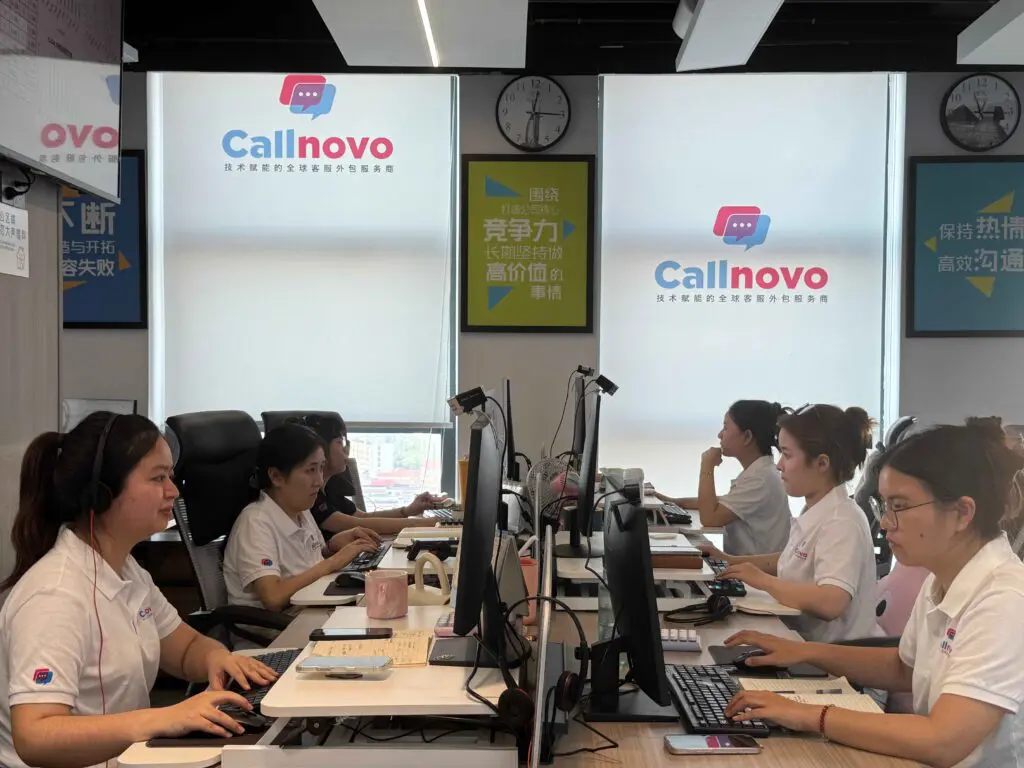
A multilingual real estate virtual assistant ensures every client feels welcome. By communicating in clients’ preferred language, whether Spanish, Portuguese, Chinese, or another language, virtual assistants create a sense of trust and clarity. They not only translate but also help clients understand each step of the buying or leasing process.
Benefits include:
- Improved client understanding and satisfaction
- Stronger relationships and trust
- Higher likelihood of converting leads
Engaging Leads in Their Preferred Language
Clients respond positively when addressed in their native language. Virtual assistants can handle:
- Calls and emails in the client’s language
- Scheduling meetings and property tours
- Explaining contracts and answering detailed questions
This engagement keeps leads interested and brokers top-of-mind in a competitive market.
Leveraging Spanish-Speaking and Latin American Assistants
Many California brokers hire virtual assistants from Latin America. These assistants bring both language skills and cultural understanding, which enhances client relations. Working in the same time zone ensures faster replies and smooth collaboration.
| Benefit | Description |
| Time Zone Alignment | Assistants work during California business hours |
| Cultural Understanding | Connects with clients on a deeper level |
| Language Skills | Fluent in English and Spanish, among other languages |
Key Benefits of Multilingual Real Estate Virtual Assistants

Increased Lead Capture and Conversion
Virtual assistants help brokers manage multiple leads efficiently. They can respond to inquiries, schedule tours, and follow up on every client, ensuring no lead is overlooked. Quick responses lead to higher conversion rates and more closed deals.
Example: One California broker reported a 30% increase in leasing deals after hiring a multilingual real estate virtual assistant. Every client felt heard, and no opportunity was missed.
Enhanced Client Satisfaction
Clients want to feel valued throughout the real estate process. Virtual assistants can manage:
- Property tours and appointments
- Leasing questions and documentation
- Follow-ups after every deal
Consistent support builds trust, encourages referrals, and enhances the broker’s reputation.
Broader Market Reach
California’s diverse population presents brokers with opportunities to reach clients from various backgrounds. Multilingual virtual assistants help expand reach by managing communications with buyers and sellers from different regions. Outsourcing routine tasks allows brokers to focus on closing deals while assistants handle scheduling, virtual tours, and property management.
Benefits Table:
| Benefit | How It Helps Brokers |
| Outsourcing | Brokers focus on closing deals |
| Virtual Tours | Clients can view properties anytime |
| Leasing Support | Faster leasing and satisfied clients |
| Property Management | Smooth transactions every time |
How to Hire a Real Estate Virtual Assistant
Identifying Language and Skill Needs
Brokers should first list the languages spoken by their clients. Consider Spanish, Portuguese, or other languages relevant to the market. Identify required skills for property management, leasing, and virtual tours. Finding a real estate virtual assistant with prior experience ensures the assistant can add immediate value.
Vetting and Interviewing Assistants
Clear job postings outline tasks such as leasing support, property management, and virtual tours. Interviews should assess language proficiency, prior experience, and understanding of real estate outsourcing. Video calls allow brokers to evaluate communication skills directly.
Onboarding for Real Estate Tasks
Training is crucial. Brokers should provide guidance on software, tools, and workflows for leasing, property management, and virtual tours. Checklists and regular feedback sessions help virtual assistants improve quickly, resulting in more effective lead management.
Best Practices for Integration
Setting Expectations and Workflows
Clear targets and structured workflows help virtual assistants succeed. Brokers should define processes for tours, follow-ups, and client interactions. Regular training and check-ins reinforce quality and efficiency.
Using Technology for Collaboration
Technology streamlines virtual assistant integration:
- Video Calls – Training and feedback
- Shared Calendars – Scheduling tours and appointments
- Messaging Apps – Lead updates and communication
- Automation Tools – Reminders and transaction tracking
Measuring Success
Tracking key metrics ensures continuous improvement. Brokers can monitor:
- Number of tours completed
- Leads converted into clients
- Client feedback after each deal
Automation and regular reporting make it easy to assess virtual assistant performance.
Conclusion
Multilingual real estate virtual assistants help California brokers capture every lead, improve client satisfaction, and expand their market reach. With the right assistant, brokers can respond faster, engage clients in their preferred language, and close more deals.
To unlock the full potential of multilingual real estate outsourcing and boost your real estate business, partner with Callnovo. Their expert real estate call center and virtual assistants ensure no lead is ever missed. Start today and turn every opportunity into success.
Company Name: Callnovo Inc.
Contact Person: Anita Lee
Email: anita.lee@callnovo.com.cn
Website:www.callnovo.com
Country: Canada
City: Toronto
Explore the benefits of a Multilingual Real Estate Virtual Assistant:
https://callnovo.com/callnovo-multilingual-remote-virtual-assistant/
Ready to get a customized quote?
Click here: https://callnovo.com/request-a-quote/